The Crested Butte News Serving the Gunnison Valley since 1999


Long-term ramifications for ski resorts?
[ By Kendra Walker ]The Colorado Supreme Court has awarded $12.4 million to Annie Miller, an Oklahoma woman left paralyzed after falling from the Paradise Lift at Crested Butte Mountain Resort in 2022. This case marked the first time the Colorado Supreme Court considered whether a ski resort’s liability waiver protects it from negligence claims under the Ski Safety Act and the Passenger Tramway Safety Act, and could possibly impact ski industry standards surrounding safety and liability moving forward.
According to Courthouse News Service, a jury of six last Friday found CBMR violated state regulations following a two-week trial at the Broomfield Combined Court. However, litigation surrounding the incident has been ongoing for several years.
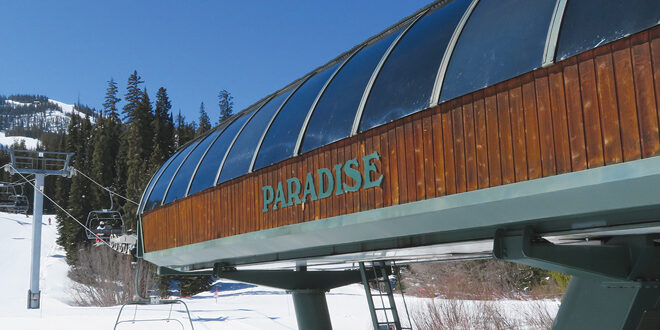
In March 2022, then 16-year-old Annalea (Annie) Miller struggled to get seated on the Paradise Lift and fell 30 feet onto hard-packed snow. According to the Miller family’s legal team, CBMR employees did not stop the lift or initiate any emergency evacuation procedure. Miller’s fall resulted in injuries that have left her paralyzed ever since.
Following the incident in 2022, the family filed a lawsuit in Broomfield County District Court against CBMR and owner Vail Resorts for violations of duty of care, negligence and gross negligence. The suit was dismissed by the court in April 2023 because the family had signed the liability waivers acknowledging the risks that come with skiing.
However, the Miller family appealed the district court decision to the Colorado Supreme Court, asking them to consider whether Vail Resorts can be held liable for negligence for the lift accident, arguing that the waiver should not cancel the ski area’s duty under the Ski Safety Act and the Passenger Safety Tramway Act to protect skiers riding chairlifts.
On May 20, 2024, the Colorado Supreme Court reinstated the negligence per se claim and ruled that liability waivers cannot be used to protect ski resorts from all negligence claims.
Last week’s ruling found that CBMR had breached state regulations concerning lift operations and determined that Miller accepted certain risks when her father signed the liability waiver on her behalf, assigning her 25% at fault for the accident and Crested Butte 75%. According to Vail Resorts, the damages were reduced to $12.4 million from $20 million because the jury found that the plaintiff was partially at fault for the accident and to reflect Colorado law regarding damages caps.
As reported by Courthouse News Service, Miller shared her relief outside the courtroom on Friday. “It’s a good day,” she stated. “I’m beyond grateful to the jury for holding Crested Butte responsible, and I hope something good comes out of it.”
Vail Resorts shared in a statement, “We disagree with the decision and believe that it was inconsistent with Colorado law. Still, we recognize the personal toll this accident has taken on Ms. Miller and her family, and we wish her continued strength in her recovery. We remain committed to the highest safety standards in our operations.”
Many in the ski industry expect the Miller case to impact how ski areas nationwide do business and conduct safety protocols and liability policies.
The Crested Butte News asked CBMR representatives about potential impacts on the resort, and was directed to reach out to the National Ski Areas Association (NSAA) for information regarding the importance of ski resort protections against liability for inherent risk. An NSAA spokesperson said given the foundational importance of chairlifts to the sport, the guest experience is “unlikely to change significantly.”
In a statement to the CB News, the NSAA said, “The ruling underscores the importance of shared responsibility between guests and ski areas. Skiers and riders must continue to take an active role in their own safety, including following posted guidelines and understanding how to load, ride, and unload lifts properly (as outlined in Your Responsibility Code). At the same time, ski areas remain deeply committed to providing safe, well-maintained lifts and clear education for their guests.
The organization emphasized that “ski areas nationwide have excellent, well-established safety protocols in place, making lift safety a top operational priority. While each case is unique, legal shifts and large verdicts can impact insurance availability and affordability, which in turn may influence how ski areas manage risk and maintain coverage. Lift safety will remain a central focus heading into the upcoming season, with continued emphasis on reinforcing guest education and clear communication to ensure every rider is informed and prepared.”