The Crested Butte News Serving the Gunnison Valley since 1999


Focus on employees? On long-term residents?
By Mark Reaman
The Crested Butte town council is taking up the next steps of its five-year housing strategic plan. During a work session discussion on Tuesday, January 20, the council expressed the desire to continue using as many tools as possible to keep a significant local and affordable housing presence in town. Those tools range from utilizing zoning, seeking out alternative solutions, determining what truly qualifies as affordable rent or mortgage on a resort income with higher costs of living metrics, exploring partnerships, searching out financial funding and looking for significant return on investment for any public money spent.
The council liked the proposed staff planning objectives and goals although there was some debate on whether the focus should be on the goal of helping to provide housing for local workers or trying to support ways to get more full-time year-round residents living in town.
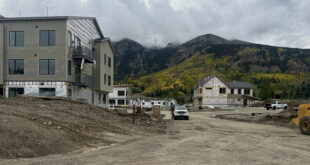
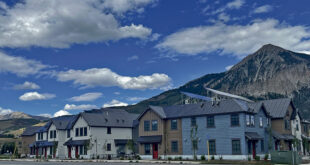
Currently 27%, or 371 of all 1,327 housing units in town include some form of deed restriction. A majority of the houses in town are occupied by full-time residents with latest town figures indicating more than 60% of all the housing units in Crested Butte being occupied by full-timers. That is significantly higher than many mountain resort communities. The Mineral Point, Paradise Park and Whetstone projects will add to the workforce housing units in and around Crested Butte.
Crested Butte housing director Erin Ganser informed the council in a memo that “The Five-Year Housing Strategy will assess past and current accomplishments, identify gaps in the community’s housing portfolio, and clarify where the Town should focus its energy and resources over the next five years to advance the goals of the Community Compass.”
Ganser noted for the council that in her view, there were relatively few ownership units in town and only about one-third of the deed restricted units prioritized the local workforce. “Lower income rentals are a gap and so is senior housing,” she also noted. That, combined with economic realties like high development and construction costs, and low private sector participation, have helped stymie growth of affordable housing.
Councilmember Beth Goldstone said she would prefer more emphasis on the need for workforce housing in the plan’s “objective statement.”
“What is the pathway to get more full-time, year-round residents living here?” asked councilmember John O’Neal. “Is there data that shows a pathway to ownership?”
“We don’t all just jump into ownership,” said councilmember Kate Guibert. “We need to build the steps to help people along the way.”
“I’d be curious to see if we can find stability in rentals as well,” said Goldstone. “It’s not just about ownership.”
“You’re right. A lot of people have rented for a very long time in town and are content,” said O’Neal. “I think we need more data.”
“I agree that stable rentals are important,” said councilmember Gabi Prochaska. “I don’t think lack of ownership is a big problem if we can provide some stability through projects like Whetstone. I too like working to get more full-time residents.”
“I lived in rentals in town for about 25 years before being able to own something by the skin of my teeth,” said councilmember Kent Cowherd. “The jump to ownership is even much more difficult these days in today’s economic world. My experience as a community member changed as an owner. I like that the proposed objectives in the plan are what I like to call clearly ambiguous.”
Ganser emphasized to the council in the proposed “challenge statement” that “without bold, coordinated action, the town risks losing more year-round residents eroding community character and undermining economics and social resilience.”
Ganser said that town “is struggling to serve the more vulnerable members of the community, for example our seniors,” she said. “Some people get to a point that they feel they have to leave here.”
“It feels like town has been reactive in terms of housing for 30 years and I think we would like to not always just be digging ourselves out of a hole,” said Guibert.
When stated in the plan that town wanted to make the “greatest difference,” O’Neal reemphasized that town should be “crystal clear about what that would be. For me, it’s getting full-time year-round residents here. What’s the path? How can we allow people to build a life here, to build long-term relationships and flourish here.”
“We should not forget that in 2021 when we considered this an emergency situation, it was strongly about employees,” said Goldstone. “I’m not sure what’s right or wrong. I’m not sure where I’m at today. But workers working here in the valley are part of our economic stability. It’s not just people living here and working remotely.”
Details will be dug into as the plan continues to take shape. The next step includes details on zoning incentives at the February 2 meeting.