The Crested Butte News Serving the Gunnison Valley since 1999


Meeting the challenges “head-on”
By Mark Reaman
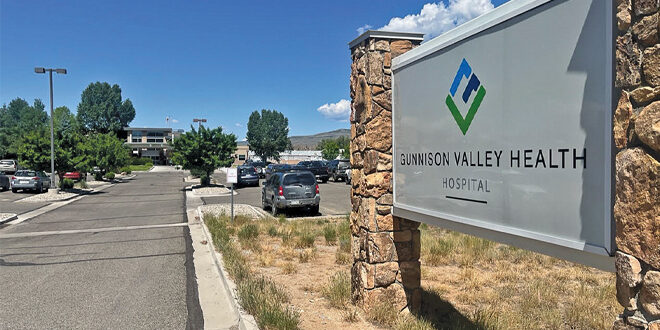
Like many hospitals and healthcare systems in the nation, Gunnison Valley Health is facing some financial uncertainty given future cuts in Medicaid, but along with several Colorado facilities, it is facing a double whammy as a state audit might result in major funds having to be refunded from GVH.
Colorado’s Department of Health Care Policy and Financing notified Denver Health and 28 public rural hospitals that they need to pay back a total of $59.7 million. The initial notification was that GVH was on the hook for about $1 million.
According to 9News, hospitals pay a fee for the care they provide patients, and it goes to a state administered enterprise fund, which is used to collect a match from the federal government. Then, the state reimburses hospitals part of that fee in a way that helps providers that disproportionately provide care for Medicaid patients. While GVH was told it had to repay $1 million, hospitals in Delta and Salida were informed they each had to pay back more than $3 million.
“Yes, GVH was included among several rural hospitals flagged in a state audit tied to the state’s hospital provider fee of CHASE program,” said GVH spokesperson Erica Rasmussen. “Unfortunately, two UCHealth hospitals were misclassified by the State creating a miscalculation regarding how various hospitals across the state are paid by this program. Correctly classifying the two hospitals could potentially have financial consequences for other hospitals in the private and government categories of which GVH is a part.”
She said GVH CEO Jason Amrich is a member of the State’s CHASE Board and represents rural hospitals in this capacity. He is also on the Board of the Colorado Hospital Association and Rasmussen said he is working closely with their leadership to actively push for clarity and accountability in both the methodology used and any repayment solutions.
Rasmussen said the final amount of the refund is still under review and “GVH is working collaboratively with state officials and the CHA to ensure the process is transparent, fair and based on accurate data. This is a systemic issue affecting many Critical Access Hospitals — not just GVH.
“While the situation poses a potential financial burden, our priority remains delivering exceptional care to our community,” Rasmussen said. “It is the State and specifically the Department of Health Care Policy and Financing (HCPF) responsibility to find a path forward that reclassifies the hospitals and protects others from financial harm.”
Amrich is clear the issue is one that needs to be cleared up going into the future. “This issue is bigger than just one hospital — it highlights the need for transparency and fairness in how rural healthcare is supported at the state level,” he said. “We’re advocating not only for GVH, but for all rural hospitals facing the potential ripple effects of this miscalculation. I am hopeful that HCPF will enact a solution that spares rural hospitals.”
Fed impacts with Medicaid on GVH
As for the upcoming federal cuts to Medicaid approved as part of President Donald Trump’s Big Beautiful Bill, GVH will feel the impacts. Rasmussen said GVH cares for a significant number of Medicaid patients, “and even modest reimbursement reductions will negatively impact us. In 2024, GVH had 11% of its revenue come from Medicaid and 37% from Medicare.”
Again, it’s not just GVH, but all rural hospitals across the state and country that could be negatively impacted by federal cuts. “These are deeply concerning for rural hospitals across the country and GVH is no exception. A reduction in the provider tax could mean an approximate $10.4 billion reduction to Colorado’s fee program over five years,” Rasmussen explained. “Significant policy changes to Medicaid that will impact enrollment could lead to as many as 150,000 Coloradans losing coverage.”
GVH is engaged as an advocate for rural healthcare and continues to push back against policies that put vulnerable communities at risk. Amrich is also a member of the Colorado Rural Futures program which is a collection of other rural healthcare CEOs from across the state who are working with CU’s Farley Health Policy Center to create and provide an evidenced-based legislative policy road map for the Colorado Legislature.
“Cuts to Medicaid don’t just strain our budgets — they put vital care at risk for the patients who rely on us most. I’m fighting for rural communities like ours to make sure our voice is heard loud and clear,” Amrich concluded. “My team and I are prepared to meet this challenge head-on. We will not let these headwinds compromise our mission. GVH is acting now to protect and strengthen ourselves, so we can continue delivering the high-quality care our community deserves — today, and for decades to come.”